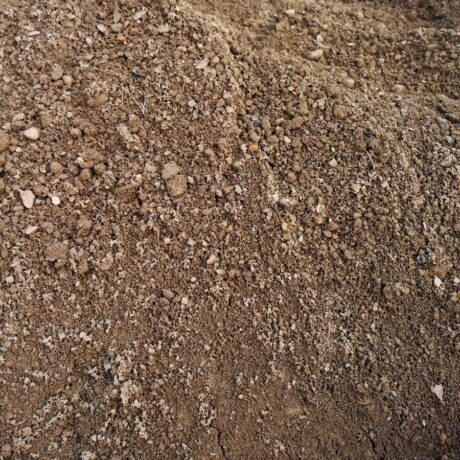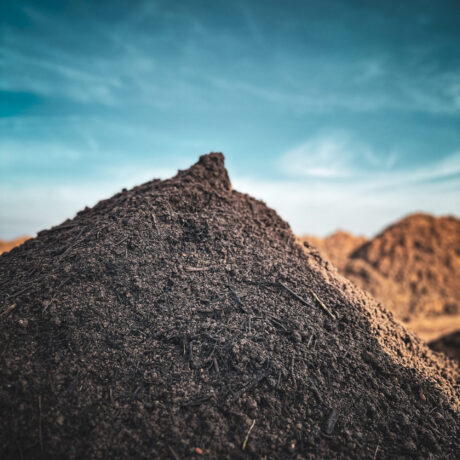
Compost is decomposed organic material used to improve soil structure, moisture management and nutrient availability.
Step01
How compost is made
Compost forms as microorganisms break down plant material and other suitable organic matter into a dark, crumbly soil improver.
- Mature compost should have an earthy smell and an even texture.
- Different products are formulated for general planting, containers or specialist plants.
- Always check the product description before use.
Step02
What compost adds to soil
Organic matter helps create a more workable soil structure and supports the organisms that cycle nutrients.
- It can improve moisture retention in light, sandy soils.
- It can help heavy soil form a more open, workable structure.
- It supplies organic matter and a range of plant nutrients.
Step03
Where to use compost
Compost is useful in beds, borders, vegetable plots and planting holes when matched to the plants being grown.
- Mix it through existing soil rather than leaving a rich isolated pocket.
- Use as a surface mulch to conserve moisture and suppress weeds.
- Choose a suitable growing medium for pots and containers rather than relying on garden soil alone.
Step04
Use the correct amount
More is not always better. Follow the product instructions and consider the existing soil, plant type and drainage.
- Avoid burying plant stems or tree trunks beneath mulch.
- Do not use unfinished compost around sensitive young plants.
- Combine compost with topsoil where both structure and additional organic matter are needed.