Topsoil provides bulk and structure; compost adds concentrated organic matter. Understanding the difference helps you use each effectively.
Step01
What is topsoil?
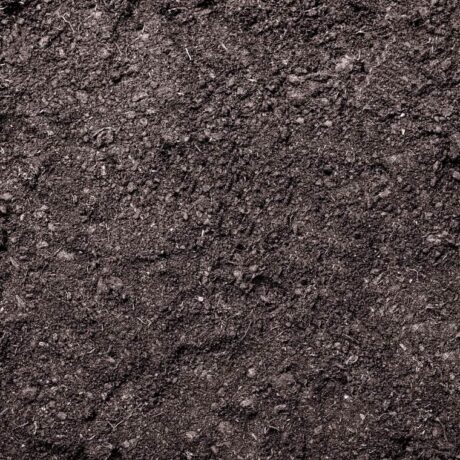
Topsoil is the upper layer of natural soil. Screened products remove large stones and debris to create a workable material for landscaping.
- Use it to build levels, fill depressions and form new beds.
- A balanced texture provides support, drainage and moisture retention.
- Quality and composition vary, so choose a product suitable for the job.
Step02
What is compost?
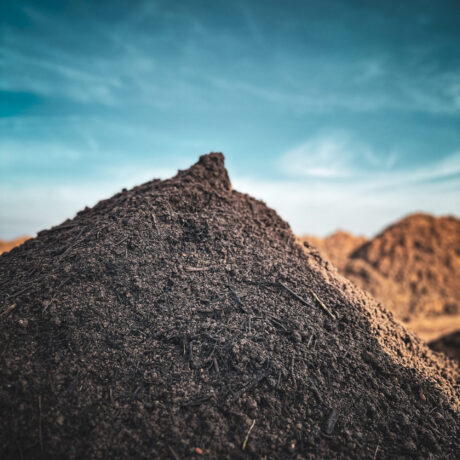
Compost is decomposed organic matter used mainly as a soil improver rather than a bulk level-building material.
- It adds organic matter and plant nutrients.
- It supports soil organisms and can improve workability.
- Its light structure is useful for planting mixes and surface mulching.
Step03
The main differences
Topsoil is a mineral-based growing foundation; compost is a concentrated organic amendment.
- Topsoil adds depth and stable structure.
- Compost raises organic-matter content and improves existing soil.
- Compost generally contains more readily available nutrients.
- Neither product is automatically suitable for every plant or project.
Step04
When to use each one
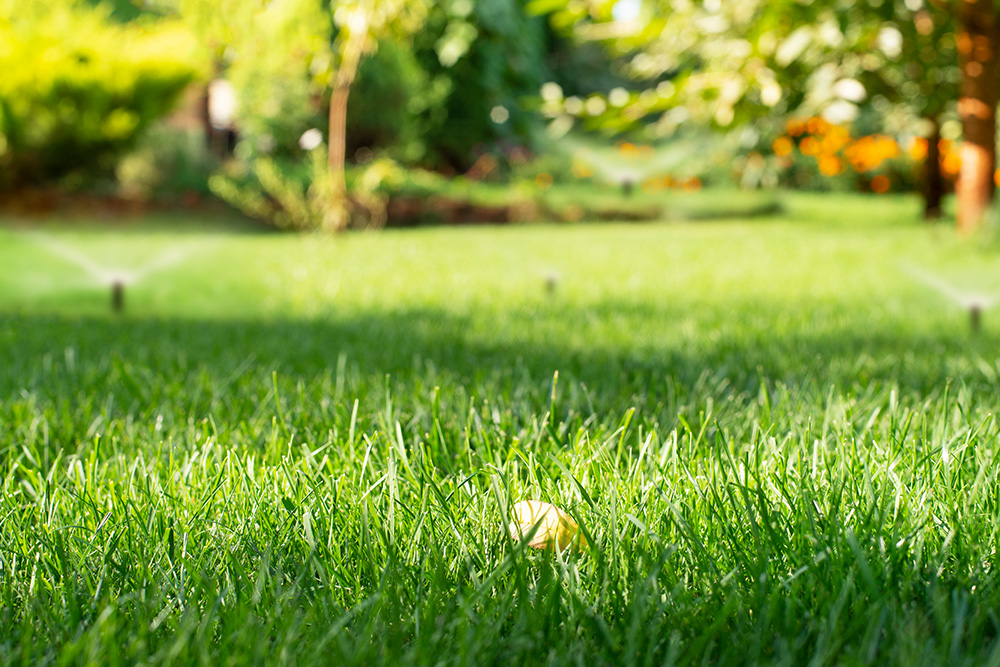
Choose topsoil for levelling, new beds and lawn preparation. Choose compost when established soil needs more organic matter or planting areas need enrichment.
- Use screened topsoil beneath new turf where levels need building.
- Work compost through beds and borders before planting.
- Use suitable compost as a mulch to retain moisture and reduce weeds.
Step05
Blend them when appropriate
Many projects benefit from combining the stable body of topsoil with the organic matter in compost.
- Mix materials evenly rather than creating separate layers.
- Adjust the blend to the soil, plants and drainage conditions.
- Test soil pH when growing plants with specific requirements.