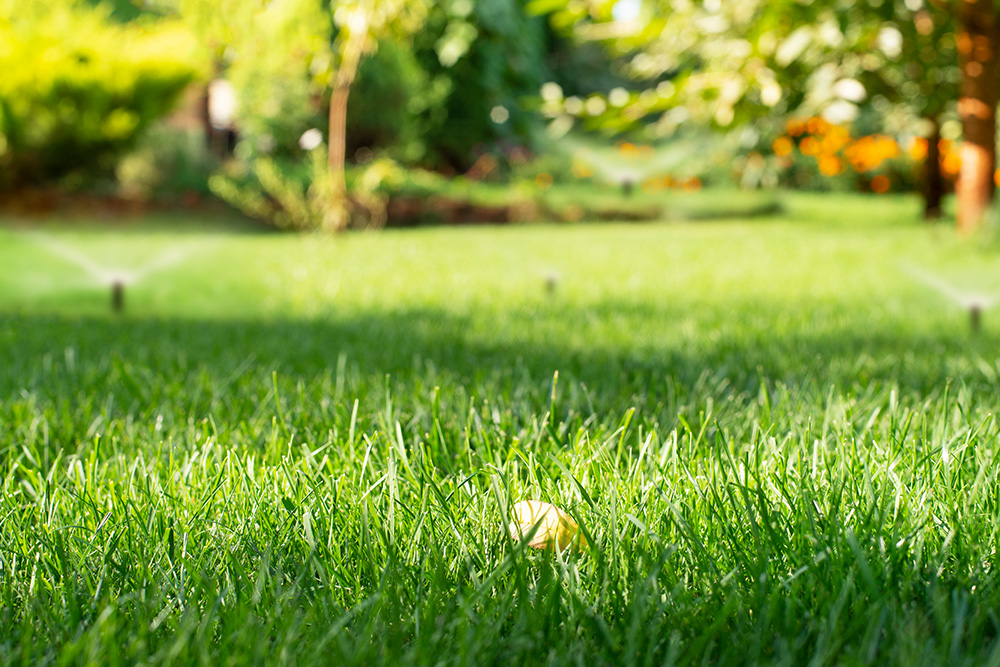
Scarification removes excess thatch and surface debris so air, water and nutrients can reach the soil more effectively.
Step01
Understand what scarification does
A controlled scarifying treatment lifts dead grass, moss and excess thatch from the base of an established lawn.
- It opens the surface and improves movement of air and water.
- Removing excess thatch can reduce sponginess and encourage healthier growth.
- Scarification is not suitable for newly laid or poorly rooted turf.
Step02
Choose the right time
Treat an actively growing lawn when it has enough warmth and moisture to recover. Spring and early autumn are often suitable in the UK.
- Avoid frozen, waterlogged, drought-stressed or very recently laid lawns.
- Mow the lawn beforehand and allow the surface to dry.
- Plan follow-up watering if rainfall is unlikely.
Step03
Work in controlled passes
Set the machine or hand scarifier lightly at first and work systematically across the lawn.
- Make one pass and assess how much material is being removed.
- For heavier thatch, make a second pass at a different angle.
- Avoid cutting so deeply that healthy crowns and roots are torn out.
Step04
Collect debris and repair
Rake up loosened material thoroughly so it does not smother the recovering grass.
- Overseed thin areas where appropriate.
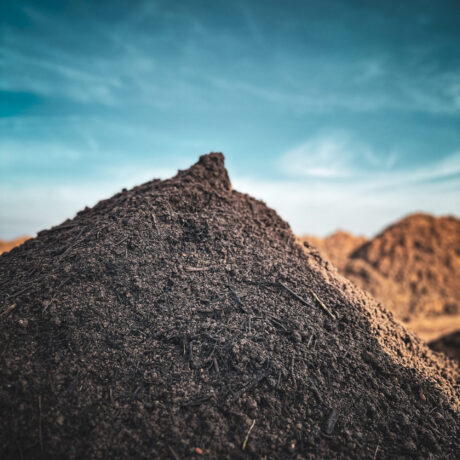
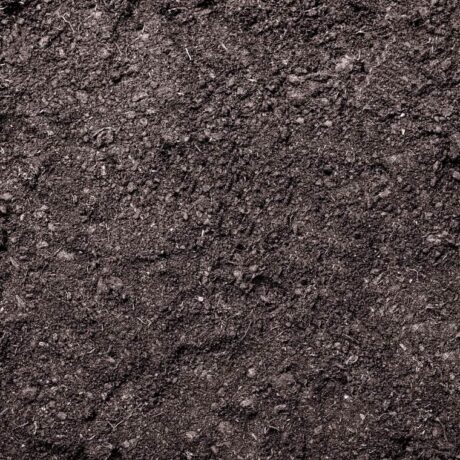
- Apply a suitable top dressing if levels and soil condition require it.
- Keep the surface evenly moist while new seed germinates.
Step05
Support recovery
The lawn may look sparse immediately afterwards. Correct timing and aftercare allow healthy grass to fill the opened surface.
- Water according to weather and soil moisture.
- Keep traffic light during recovery.
- Use an appropriate seasonal feed only at the labelled rate.